Daisy Knot: What It's Used For and Why Every Sailor Should Know It
Introduction to the Daisy Knot: An Indispensable Boating Aide
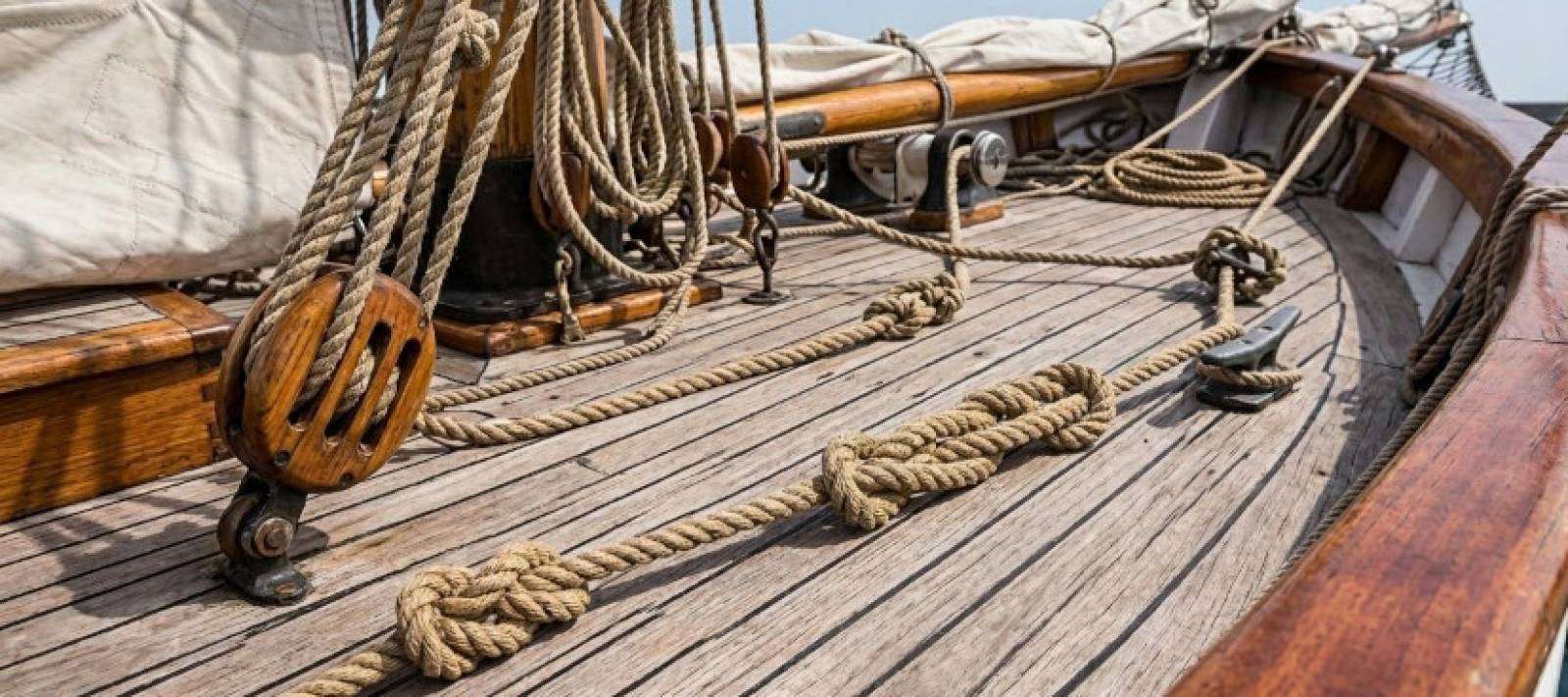
Understanding the purpose of the daisy knot certainly helps you deal with various inconveniences while on board . This sailor's knot, among the most well-known, is primarily used to shorten a rope without having to cut it. It also allows you to create loops, called loops, to which you can securely attach other ropes. It's not at all complex to make and guarantees a solid hold under load. Novices and seasoned sailors use it regularly during sea trips , and proper rope management certainly increases overall safety, facilitating normal boat maintenance. Those who rely on Trovobarche.it, whether for buying or selling, know very well how important these details are to keeping a boat in perfect seaworthy condition.
The specific uses of the daisy knot on board: why every sailor should know it
Shorten tops quickly and safely without cutting
It's not uncommon to need to temporarily reduce the length of a rope. Consider mooring in tight spaces or adjusting sheets and halyards during maneuvers. Shortening the rope, as is easy to deduce, prevents annoying clutter on the deck that hinders the crew's movement. This step reduces tripping hazards and prevents the associated premature wear of the materials.
Securing worn or damaged ropes
A worn rope is obviously at risk of suddenly giving way under tension, but the daisy knot isolates the damaged section, removing the load from the weak part and transferring it to the structure of the knot itself. The rope is safe to use again for a limited period, saving the situation at sea. However, this is a temporary emergency solution, and a damaged rope should always be replaced as soon as you return to port. Anyone who owns one or is considering purchasing one should carefully follow these preventative maintenance practices.
Creating rings (necks) for hoists or temporary hooks
The knot creates useful loops on the main line. These loops are used to attach carabiners, other ropes, or various accessories. Sailors often use them with tackle to raise the anchor, to tighten a bimini, or simply to secure a load on deck. Adding additional attachment points solves many a last-minute problem, making maneuvers much smoother.
How to Make a Daisy Knot: Step-by-Step Instructions for Easy Learning
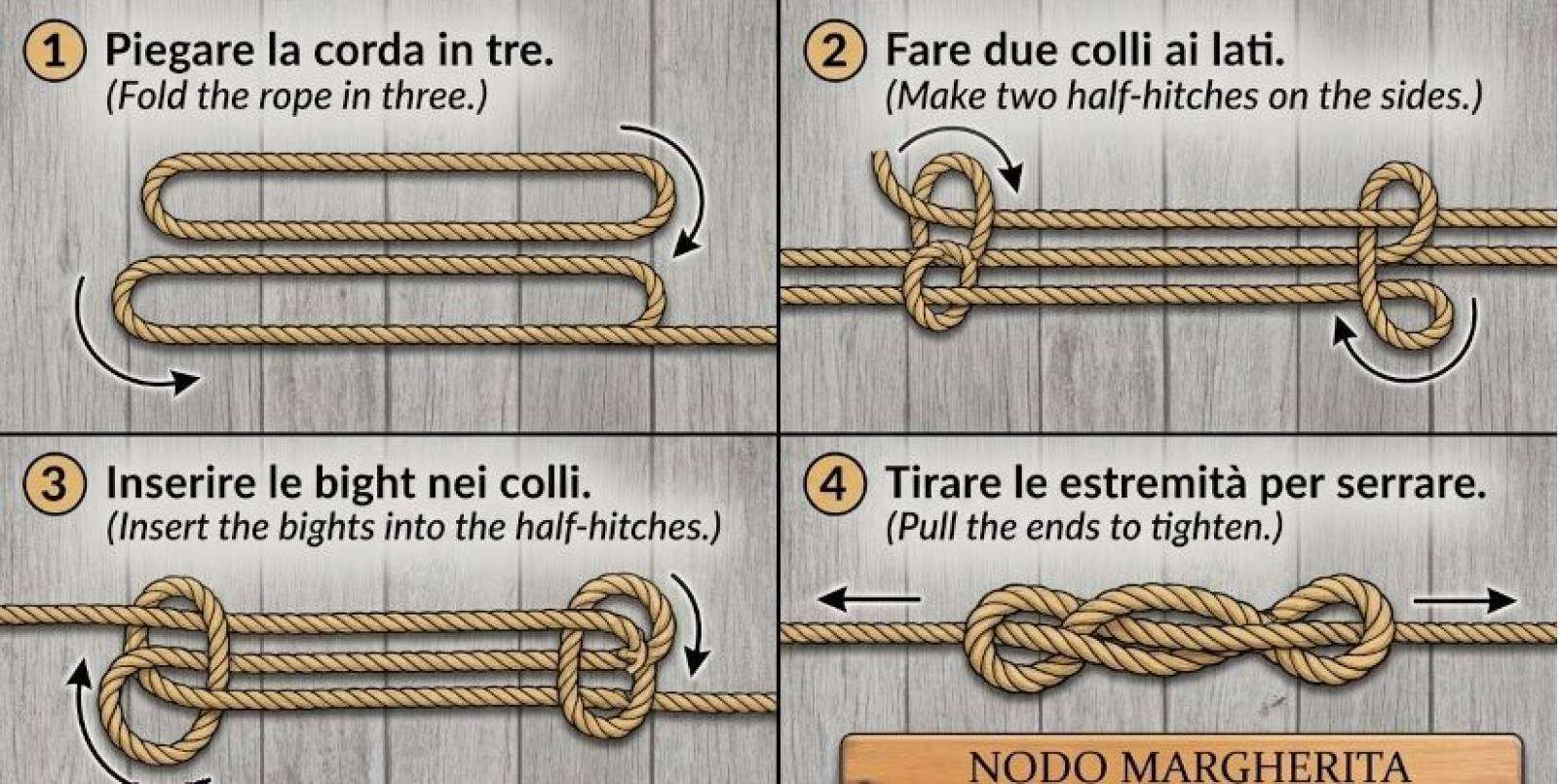
Those who search online forhow to tie Sailors' knots will find this type of knot very intuitive. Start by folding the rope at the exact point where you want to shorten it, forming three loops, or three side-by-side curves. Then create two loops, or half overhand knots, around the two outer loops, placing one on each side. Pulling on the free ends tightens the loops and completes the entire sequence. Under load, the knot holds very well and is stable. Watching a short explanatory video or illustrative images greatly facilitates visual practice, which is always a useful aid in learning the varioustypes of knots.
Practical tips for the use and maintenance of daisy knot lines
When to prefer the daisy knot to other similar knots
This knot is especially popular when reversibility and speed of execution are required. Compared to other methods, it unties instantly as soon as the tension is released and does not weaken the rope's structure like a permanent cut would. Its rapid execution makes it perfect for temporary interventions or quick fixes.
The importance of quality and maintenance of the tops
Checking the condition of the ropes on board remains a necessary habit even on the most modern boats before every outing. The daisy knot helps in case of unexpected wear, although it never eliminates the need for intact equipment. Replacing damaged lines ensures maximum peace of mind while sailing. Obviously, meticulous care of the equipment reflects the value of the boat itself, a detail well known throughout the nautical community.
The Margherita Knot and Trovobarche.it: enhance your nautical experience
Mastering knots greatly increases the safety of those who experience the sea every day. Experienced owners and new buyers approach outings with greater peace of mind when they know these techniques. Anyone selling a boat demonstrates competence by taking care of the equipment, a factor that greatly enhances the ad. Anyone buying should evaluate the condition of the ropes as an integral part of the onboard visit. On Trovobarche.it you can explore new boat and used boat boat ads to find the vessel of your dreams, or you can post a free ad if you're looking to sell your own.
FAQ
What is the daisy knot for?
This knot is especially useful when you need to shorten a long rope but prefer not to cut it. It's also useful for isolating a frayed piece of rope. It essentially shifts the tension to the healthy part of the rope and allows you to use it in an emergency without running any immediate risks.
In what nautical situations is the daisy knot useful?
On board, you often need to quickly shorten a mooring line or a sheet that's causing a mess on deck. This is done to fix a damaged section of rope or to secure it until you return to port. Sailors also use it a lot to create temporary loops, useful for attaching tackle if you need to weigh anchor or adjust the sails quickly.
Is the daisy knot easy to make?
Yes, you really can learn it in just a few minutes. Even those who are just starting out on a boat and don't know much about knot theory can do it almost immediately. The best part is that, despite how easy it is to tie freehand, it holds very well as soon as the rope is pulled.
Share
Daisy Knot: What It's Used For and Why Every Sailor Should Know It